Dungeon Days
Play Dungeon Days
Dungeon Days Screenshots








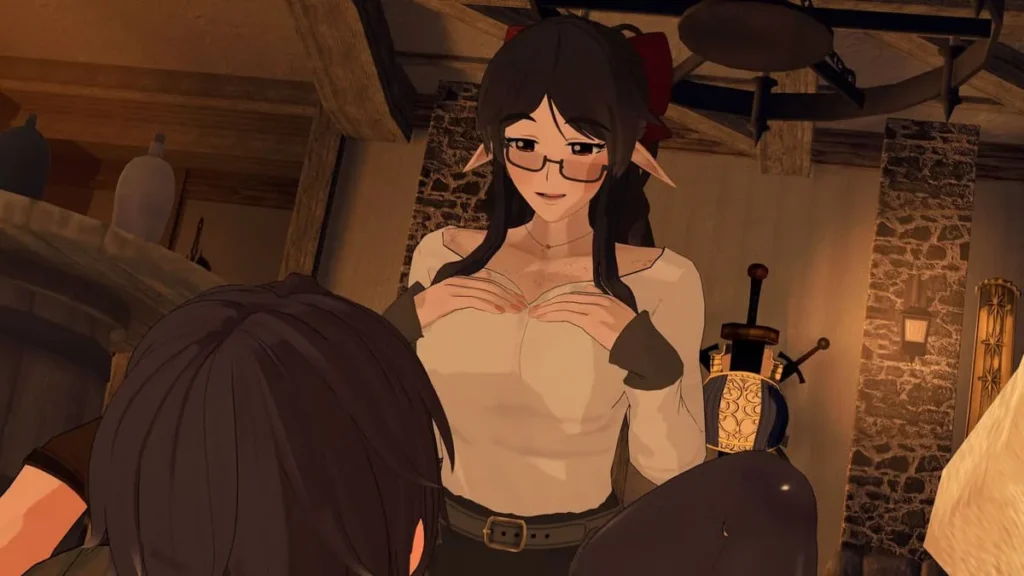




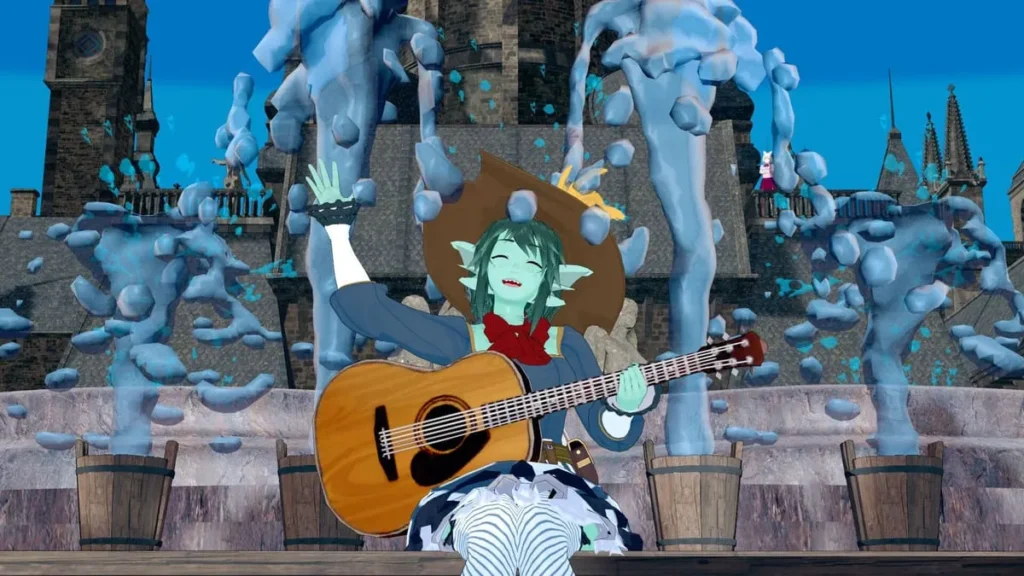
Dungeon Days review
Explore Gameplay, Features, and Tips for Dungeon Days
Dungeon Days is a captivating game that combines immersive storytelling with interactive gameplay, offering players a unique experience in a richly designed world. Whether you’re new or looking to deepen your understanding, this guide dives into the core aspects of Dungeon Days, highlighting its features, gameplay mechanics, and strategies to help you enjoy the game to its fullest. Get ready to explore the depths and discover what makes Dungeon Days stand out.
What Makes Dungeon Days Unique?
So, you’ve downloaded Dungeon Days and taken your first steps into its world. Maybe you’ve battled a few shadowy creatures or had a confusing chat with the grumpy blacksmith. It feels familiar, right? 🗡️ But then, something shifts. A decision you made three hours ago suddenly changes how a character greets you. The environment you’re in doesn’t just look pretty—it feels like a place with its own heartbeat. That’s the magic trick this game pulls off. It takes classic ideas and weaves them into something that feels uniquely yours.
This chapter is all about peeling back the curtain on that magic. We’re going to explore the Dungeon Days features and design choices that transform it from a simple dungeon romp into a personal legend. What is it about the Dungeon Days gameplay that sinks its hooks into you? How does its visual style Dungeon Days build a world you want to live in? Let’s find out.
Core Gameplay Mechanics Explained
At first glance, the Dungeon Days gameplay loop seems straightforward: explore, fight, craft, and repeat. But the devil—and the delight—is in the details. The genius of the game design Dungeon Days employs is how it layers these systems so they constantly talk to each other.
Take combat. It’s not just about having the biggest sword. Your approach to battles is deeply tied to everything else you do. That gentle conversation you had with the herbalist? She might later gift you a powder that weakens plant-based enemies. The time you spent fishing at the crystal lake? Those rare fish can be cooked into meals that grant temporary combat buffs. Every non-combat activity feeds directly back into your strength as an adventurer, making the world feel connected and purposeful.
The progression system is another standout. You don’t just gain “Experience Points” in a vacuum. You improve skills by using them. Spend a day mining ore, and your stamina and strength creep up. Practice alchemy repeatedly, and your potions become more potent. This makes your character’s growth feel earned and organic. Your build is literally a diary of how you’ve chosen to spend your time.
My #1 Tip: Don’t rush to the next dungeon floor. Spend a full in-game day just foraging, talking, and crafting. You’ll be shocked at how many subtle stat increases and new dialogue options you unlock, making the “real” adventuring smoother later on.
Here’s a quick breakdown of how key mechanics influence each other:
| Your Action | Direct Reward | Hidden Benefit |
|---|---|---|
| Completing a character’s personal quest | Story progression, unique item | Unlocks new vendor stock or dungeon shortcuts |
| Failing a puzzle multiple times | Temporary frustration | NPCs may comment on your persistence, offering hints |
| Experimenting with crafting combinations | New equipment or consumables | Discovers permanent recipe unlocks for future playthroughs |
This interconnectedness is the soul of the Dungeon Days gameplay. It tells you that your choices, even the small ones, are never wasted. 🧩
Visual and Audio Design Highlights
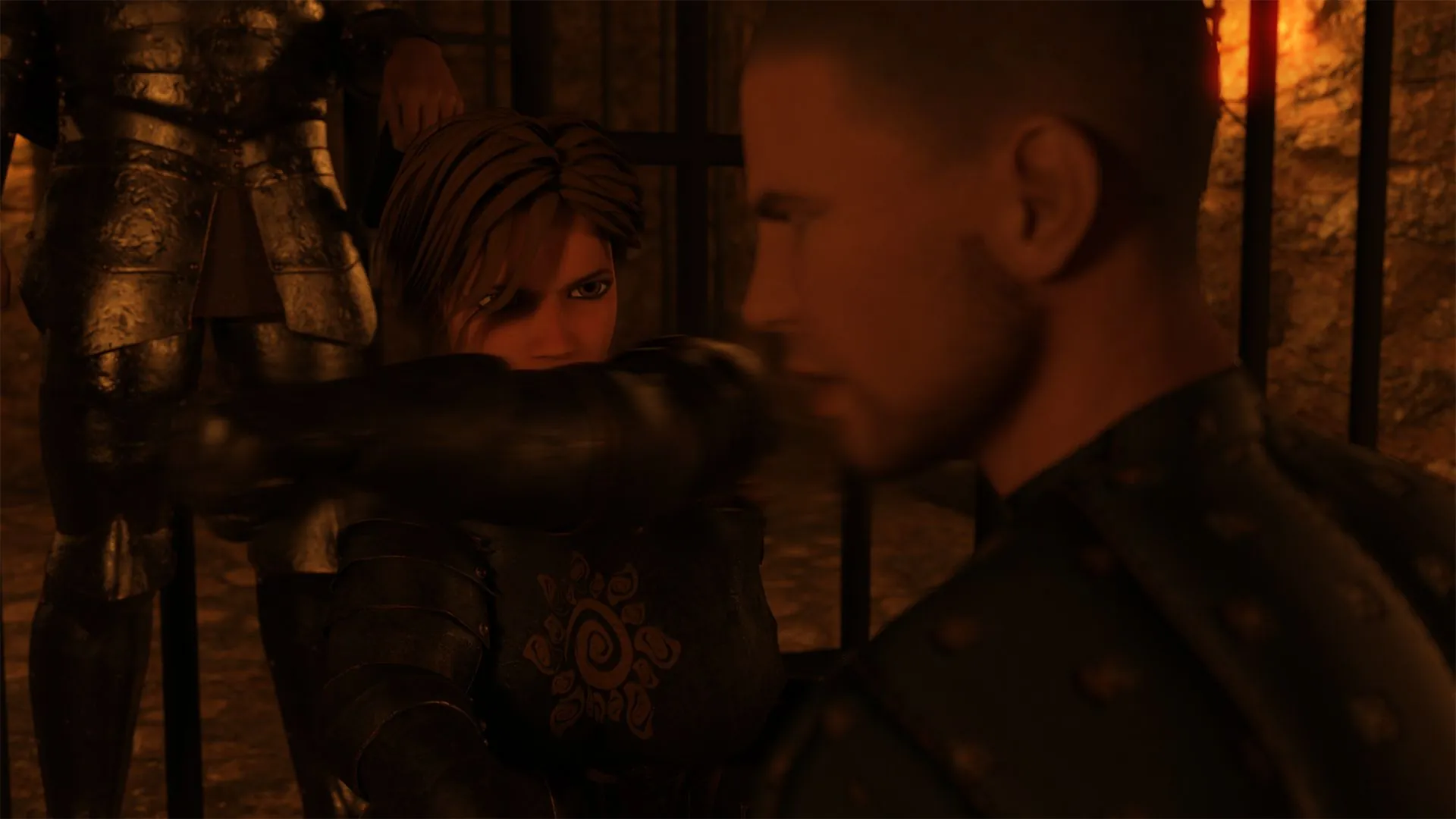
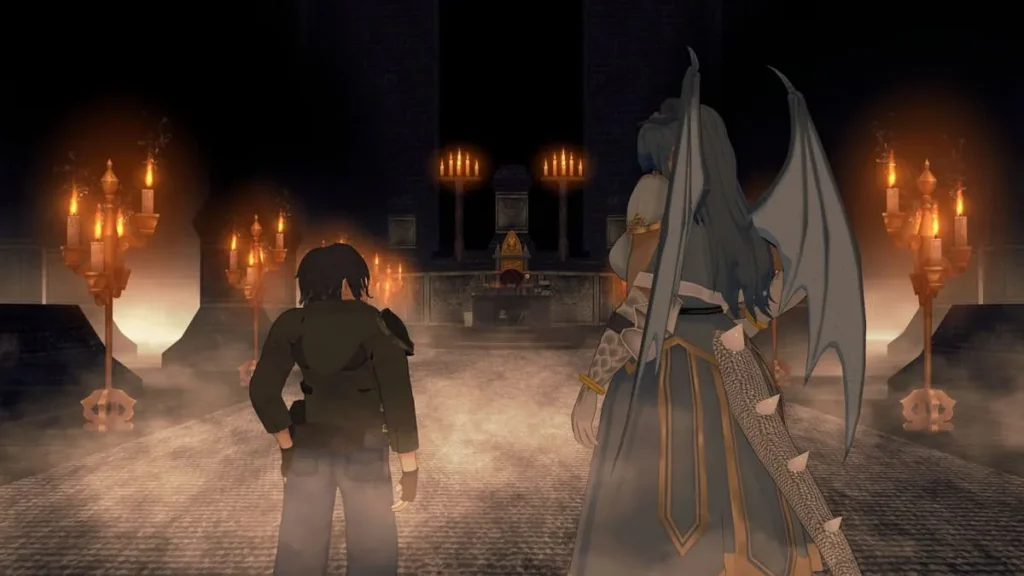
The visual style Dungeon Days champions is a masterclass in atmospheric storytelling. It avoids hyper-realism for a more painterly, hand-crafted look. Dungeons aren’t just grey stone corridors; the fungal caverns glow with bioluminescent life, and ancient libraries have a warm, dusty haze that makes you want to sneeze. This attention to environmental personality is a huge part of the Dungeon Days immersive experience.
Lighting is a silent guide. A soft, beckoning glow often marks a safe resting spot or a hidden secret, while oppressive, flickering shadows create unease before a major encounter. I remember once venturing into the “Whispering Chasm.” The screen grew darker, the colours desaturated to deep blues and purples, and my character’s torch became the only source of warm light. The visual shift alone made my pulse quicken before I saw a single enemy. 👁️
Sound design is the other half of this potent duo. The soundtrack is adaptive, shifting seamlessly from peaceful village melodies to tense, rhythmic pulses during exploration and combat. But it’s the ambient sounds that truly build the world: the distant drip of water in a cave, the rustle of unseen creatures in the undergrowth, the muffled echoes of your own footsteps. This rich audio landscape completes the Dungeon Days immersive experience, wrapping you in the game’s reality.
Player Interaction and Storytelling
This is where Dungeon Days truly sets itself apart. The Dungeon Days story isn’t a movie you watch; it’s a book you write with your actions. The game’s interactive gameplay philosophy means every NPC remembers you. Help a farmer with his spectral pest problem, and he’ll not only thank you but will later be seen in town recommending you to other villagers. Your reputation is a living thing.
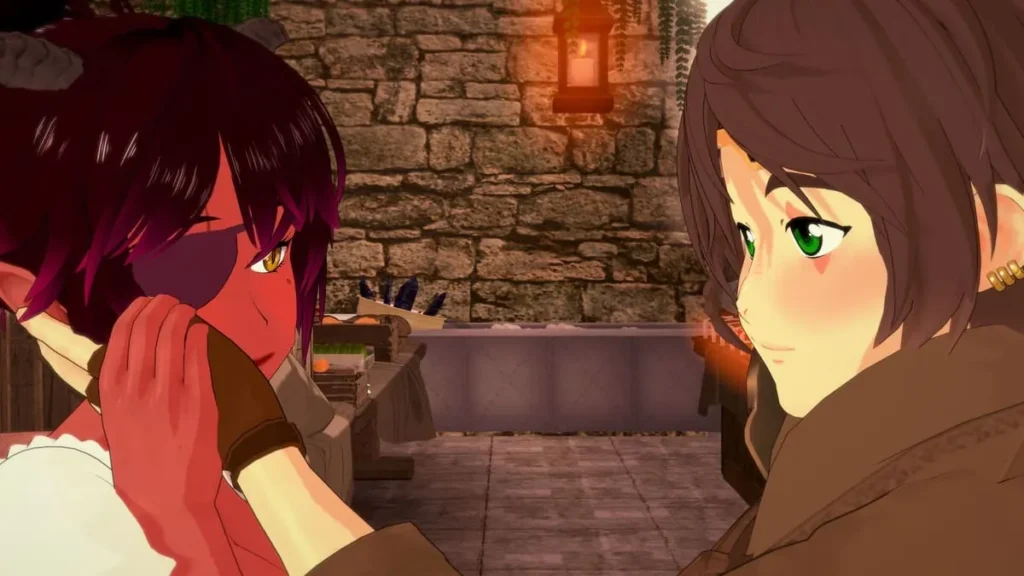
Interactive gameplay reaches its peak with the relationship system. Characters have daily routines, moods, and memories. You can’t just spam them with gifts. One character, the archivist Elara, adored my finds from ancient ruins but was visibly irritated when I tried to give her generic monster parts. Paying attention to these preferences makes friendships feel genuine, not transactional. These relationships unlock subplots that are often more compelling than the main quest, offering deep dives into the world’s lore and history.
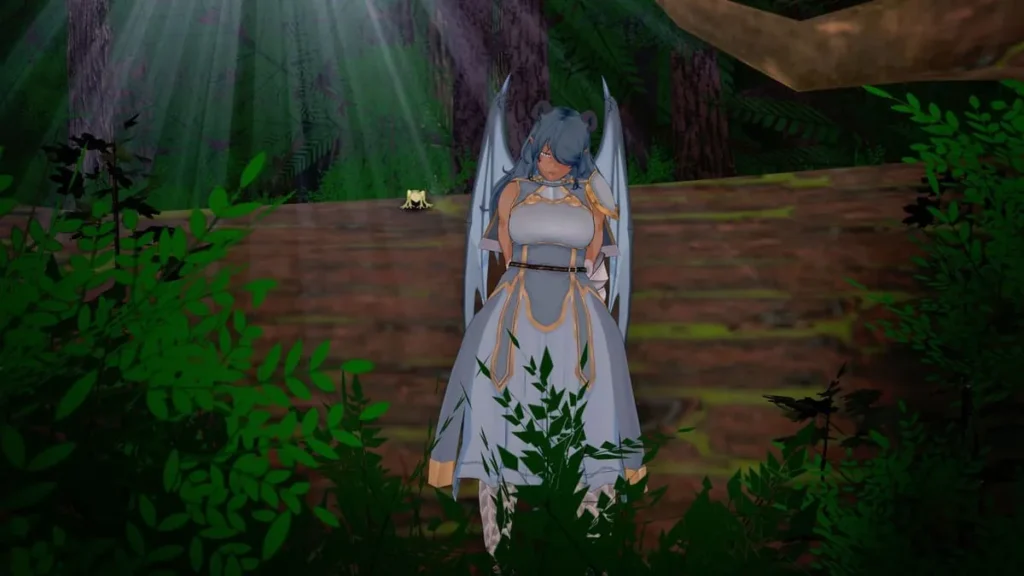
Let me share a moment that cemented this for me. Early on, I met a timid spirit named Glimmer in the Sunken Forest. Through several days of visits, bringing specific glowing fungi she liked, I learned her story. This wasn’t a quest log entry. It was conveyed through her changing animations, the slowly clearing corruption in her corner of the forest, and new, hopeful dialogue. 🦋 The finale wasn’t a boss fight, but a quiet scene where she finally found peace. I sat back, genuinely moved. That was my story, shaped by my consistent choice to visit and care.
Practical Advice: Keep a simple journal outside the game. Note down what characters like, small mysteries you see (“weird crack in the wall near the waterfall”), and your long-term goals. The game doesn’t hold your hand with giant quest markers for everything, and this personal investment makes uncovering secrets infinitely more rewarding.
The Dungeon Days story is a tapestry, and you hold the needle. The main narrative about the crumbling dungeon and the world’s fate provides the frame, but the threads—the colours, the textures—are all your relationships, your failures, and your small triumphs. This level of player agency in storytelling is the game’s crowning achievement.
So, what makes Dungeon Days unique? It’s the seamless fusion of its parts. The Dungeon Days features of deep, interconnected systems are wrapped in a stunning audiovisual package and brought to life by a story that treats you as its co-author. It’s a game that respects your time and intelligence, offering a world that feels truly reactive. Your journey won’t look like anyone else’s, and that is its greatest strength. Now, go live out your Dungeon Days. Your unique story is waiting. ✨
Dungeon Days offers a compelling blend of engaging gameplay, rich storytelling, and immersive design that keeps players coming back for more. By understanding its unique mechanics and narrative style, you can enhance your experience and fully appreciate what this game has to offer. Dive in, explore every corner, and enjoy the adventure that Dungeon Days presents. Ready to start your journey? Jump into the game and discover your own unforgettable moments.