Ravager
Play Ravager
Ravager Screenshots





Ravager review
Master the dragon’s journey through strategy, character development, and narrative choices
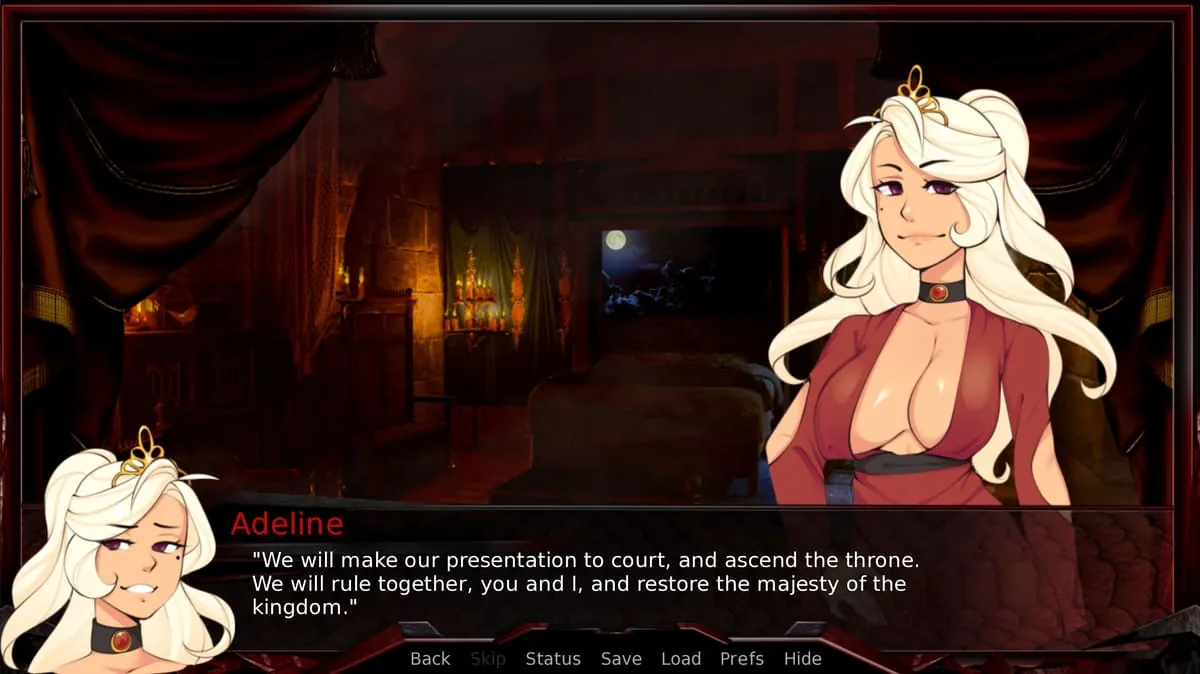
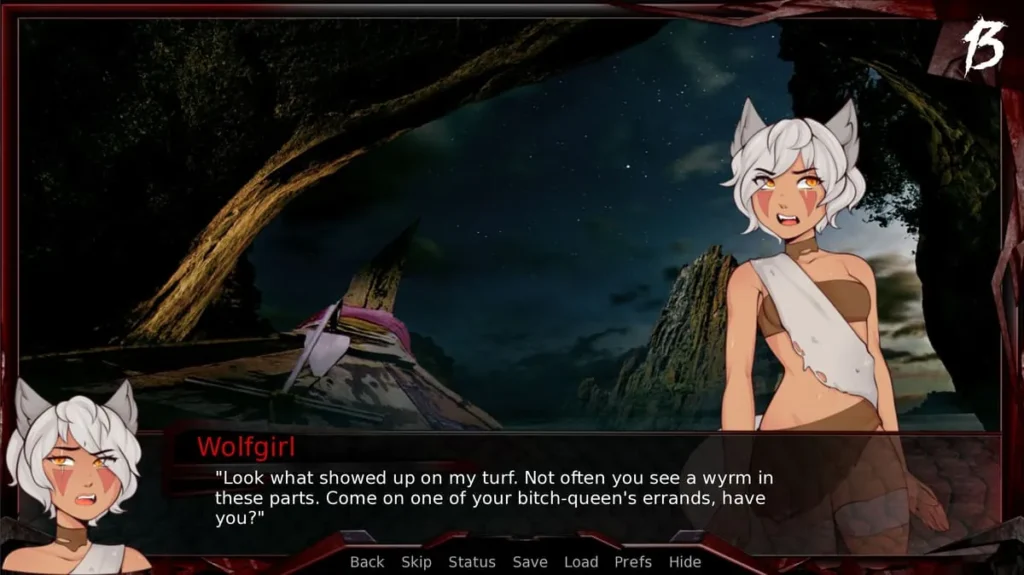
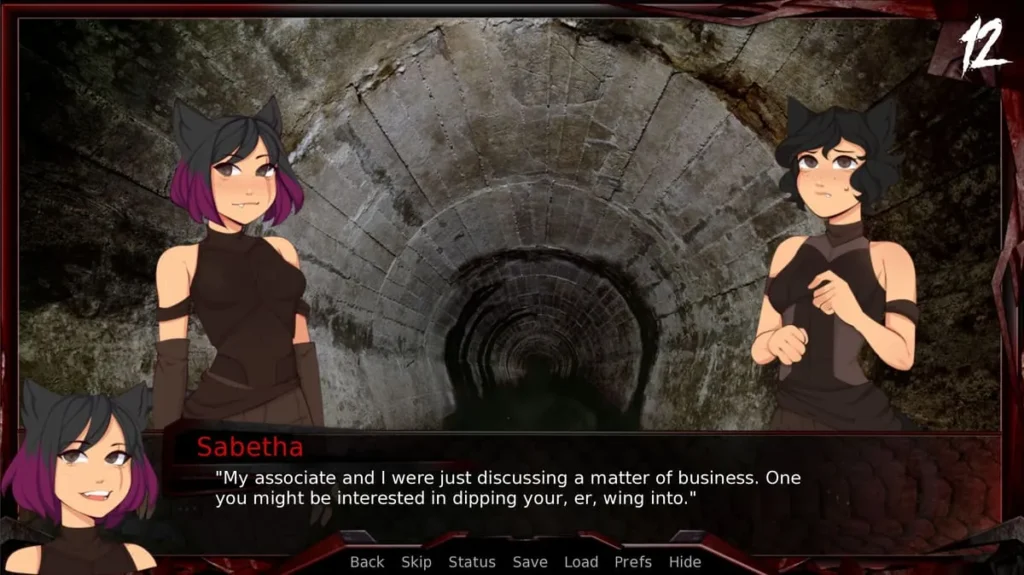
Ravager is a narrative-driven strategy game where players assume the role of a royal dragon stripped of power, embarking on an epic quest to reclaim their throne and rebuild their kingdom. The game spans five acts, each introducing new mechanics and deepening the storyline. Beyond the main plot, players engage with multiple characters through various interaction options that shape both the narrative and character development. Understanding the game’s core systems—from stat building to decision-making mechanics—is essential for maximizing your experience and unlocking all the game has to offer.
Understanding Ravager’s Core Gameplay Systems
So, you’ve chosen to become the dragon. 🐉 You’re not here to save kingdoms or earn a hero’s medal. You’re here to conquer, to demand tribute, and to shape a realm through sheer force of will (or perhaps a cunning smile). But if you think this is just a simple game of “burn everything,” you’re in for the most delightful surprise. The true magic of Ravager gameplay mechanics lies not in your fiery breath, but in the intricate systems that turn every choice, every word, and every stat point into a tool for your unique reign.
This isn’t a linear power fantasy. It’s a deep, reactive role-playing experience where your character is forged in the fires of your decisions. To truly master the dragon’s journey, you need to understand the engine under the hood. Let’s break down the core systems that make Ravager a masterpiece of interactive storytelling and strategic role-play.
The Five-Act Story Structure and Progression 🏛️
One of the most brilliant aspects of Ravager gameplay mechanics is how its narrative architecture directly shapes and expands your experience. The story is divided into a distinct Ravager five acts structure, and each act is more than just a new chapter—it’s a deliberate expansion of the game’s scope, stakes, and mechanical depth.
Think of it like this: Act 1 is your introduction to the playground. You learn the basic rules, meet key players, and establish your dragon’s initial reputation. The choices feel personal and localized. But as you move into Acts 2 and 3, the canvas widens dramatically. You’re no longer just dealing with a single castle or village; you’re managing alliances, overseeing territories, and making decisions that ripple across the entire map. New gameplay layers are introduced, like managing your hoard or dealing with larger political factions.
By the final acts, you’re playing a grand strategic game where every previous choice comes home to roost. That minor noble you spared or enslaved in Act 1 might return as a powerful ally or a vengeful commander leading an army against you. The Ravager five acts framework ensures your journey has a true sense of escalating scale and consequence. It teaches you the rules, then lets you—and forces you—to play with them on a bigger and bigger board. You don’t just progress the story; the story’s progression changes how you play.
My Tip: Pay close attention to the shifting tone and new options presented at the start of each act. The game is signaling what new strategic layer you need to start thinking about. If suddenly everyone is talking about naval power or religious fervor, you know those elements are about to become crucial to your character progression guide.
Stat Building and Character Development Mechanics ⚖️
At the heart of your dragon’s identity is its stat building system. This isn’t about min-maxing for combat; it’s about defining your dragon’s personality and methodology. Your six core stats—Cruelty, Charm, Strength, Potency, Mercy, and Wounds—are the keys to the kingdom, literally unlocking or locking away dialogue options, story paths, and solutions to problems.
Here’s the golden rule: You earn stats by using them. This is the most critical piece of advice for how to build stats in Ravager. Want to be more Charming? Choose dialogue options that require Charm. Even if you fail a Charm check, you’ll often gain a point in Charm for having tried. The game rewards role-playing consistency. If you decide your dragon is a shrewd manipulator, consistently picking Charm and Cruelty options will naturally sculpt a character who excels in those areas.
But what do these stats actually do? Let’s get practical:
* Cruelty and Mercy are often two sides of the same coin. Cruelty opens paths of intimidation, enslavement, and ruthless efficiency. Mercy can lead to unexpected loyalty, better long-term management of subjects, and a different kind of respect. You can blend them, but the world will react to your dominant tendency.
* Charm is your silver-tongue stat. It’s for persuasion, deception, and making others want to follow you. A high-Charm dragon can talk its way into (or out of) almost anything.
* Strength and Potency are your physical and mystical power stats. Strength solves problems with raw force—bending bars, intimidating guards, or claiming dominance in physical contests. Potency is for magical rituals, deciphering arcane lore, and harnessing the deeper powers of dragonhood.
* Wounds is a unique stat. It represents your physical and mental fatigue. While it can limit some actions, having Wounds isn’t purely negative. Some narrative paths and insights are only available to a dragon who has been pushed to its limits, making Wounds a strange kind of resource.
The strategic implication is profound. A max-Strength brute will have a completely different game experience than a max-Charm socialite. One might siege a castle by knocking down the gate; the other might convince the garrison to open it and join them. Both are valid, and both are deeply supported by the stat building system.
To visualize how these stats function as tools, here’s a breakdown:
| Stat | Primary Use in Decision-Making | Strategic Benefit & Playstyle |
|---|---|---|
| Cruelty | Intimidation, threats, ruthless commands, enslavement. | Fast, fear-based control. Efficient for short-term gains and establishing absolute dominance. May breed silent resentment. |
| Charm | Persuasion, deception, flattery, diplomatic deals. | Builds networks, alliances, and willing followers. Excellent for long-term stability and gathering information. Can be slow. |
| Strength | Physical challenges, direct force, demonstrations of power. | Solves problems directly and indisputably. Commands immediate respect (or fear). Essential for certain conquest paths. |
| Potency | Magical rituals, understanding ancient magic, wielding draconic essence. | Unlocks esoteric story paths, unique transformations, and solutions beyond mundane logic. The path of the arcane sovereign. |
| Mercy | Sparing lives, showing compassion, offering second chances. | Can convert enemies into loyal assets, improve territory morale, and open “benevolent overlord” narratives. High-risk, high-reward. |
| Wounds | Limits some actions, but required for certain vulnerable or introspective choices. | Adds narrative tension and realism. Some unique insights and story beats are only accessible when you’re not at peak condition. |
Your approach to this stat building system is your character progression guide. There’s no “optimal build,” only the build that fits the dragon you want to be.
Decision-Making Systems and Consequence Management 🧩
This is where all the systems converge into pure magic. Every choice in Ravager is a potential stat check, and every check has decision-making consequences that can be immediate, delayed, or both. The game’s genius is that failure is rarely a dead end—it’s a branch.
Let me give you a concrete example from my playthrough. Early on, I encountered a captured knight, Sir Aldric, defiantly hurling insults. I had several options:
1. Roar him into submission (Strength Check). Success would cow him immediately, earning me Strength and his fearful compliance.
2. Mock his fragile honor (Charm Check). Success would break his spirit rhetorically, earning me Charm and turning him into a despondent but pliant prisoner.
3. Simply eat him (No check). A simple, brutal end. No stat gain, but no hassle either.
4. Challenge his perspective (Mercy Check – I didn’t have enough). This was locked for me.
I opted for the Charm check, imagining my dragon as a sly debater. I failed the roll. But instead of a generic “you failed” message, the game responded: Sir Aldric saw through my words and redoubled his defiance. However, for trying to engage him on a mental level, I gained a point of Charm. The consequence? He remained a problem, but I was now slightly better at Charm for next time. Later, because he was still alive and defiant, he engineered a prison break, creating a whole new challenging and fun scenario I wouldn’t have had otherwise. A failed check created more story.
This is the core of Ravager gameplay mechanics. The narrative choices impact is total. Major decisions—like sparing or killing a faction leader—will reshape the political landscape in later acts. Characters remember your actions, and the game’s world state tracks everything. That bandit gang you wiped out in Act 1 won’t be around to cause trouble in Act 3, but neither will they be available as desperate mercenaries if you need them later.
Personal Insight: Don’t save-scum to pass every check! Some of my most memorable moments came from failures. The game is designed to weave failures into the narrative tapestry. A failed Potency check to decipher a ritual might leave you with a cursed item that becomes a key plot point. Embrace the unexpected branches; they make your dragon’s story uniquely yours.
The relationship between player choice and character development is seamless. Your choices dictate your stat growth, and your stats dictate your available choices. It’s a beautiful, self-reinforcing loop that encourages you to commit to a role. Whether you’re a merciful sovereign, a cruel tyrant, a charming politician, or an inscrutable mystic, the game’s decision-making consequences will validate and challenge your path, offering unique rewards and hurdles for each style.
Mastering these core systems—the escalating Ravager five acts, the deliberate stat building system, and the profound decision-making consequences—is what transforms you from a player into a true Ravager. Your journey isn’t written; it’s built, choice by stat by consequence. Now go forth, and shape your legend. 🔥 Your kingdom awaits.
Ravager offers a rich gameplay experience built on meaningful choices and strategic stat management. The game’s five-act structure provides substantial content while its decision-making systems ensure that no two playthroughs feel identical. By understanding the stat mechanics, recognizing how choices cascade into consequences, and embracing different playstyles, players can fully appreciate the depth the game offers. Whether you prefer a merciful approach or a more aggressive strategy, Ravager rewards experimentation and role-playing. Dive into the game with these systems in mind, and you’ll discover why players find themselves replaying it multiple times to explore different narrative paths and character interactions.