Shut Up and Dance
Play Shut Up and Dance
Shut Up and Dance Screenshots


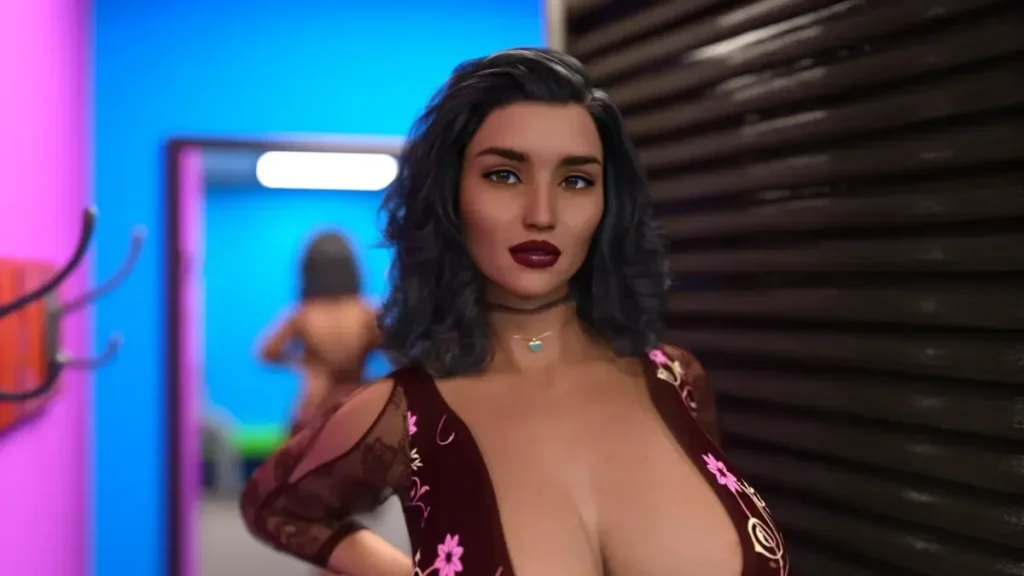


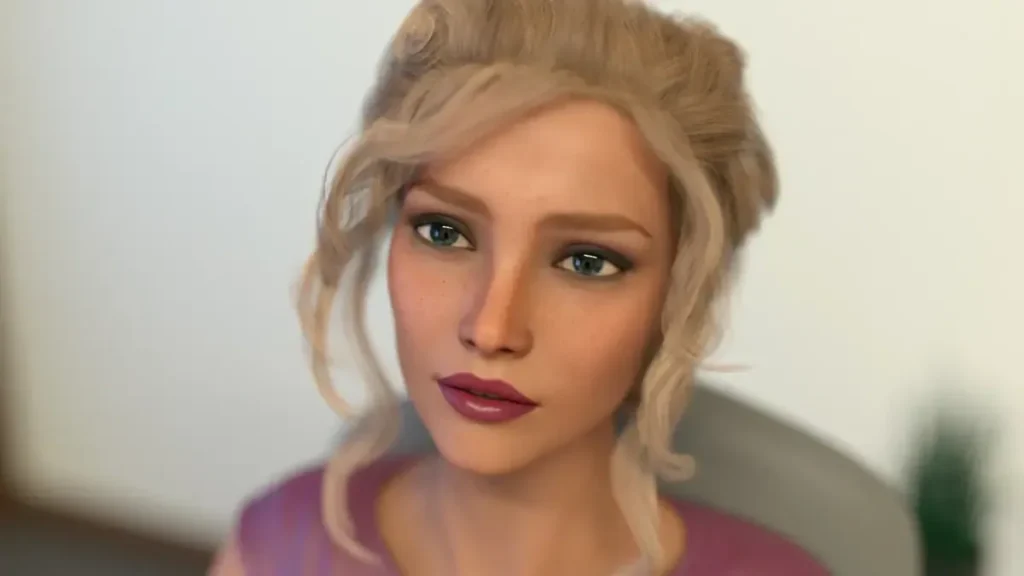

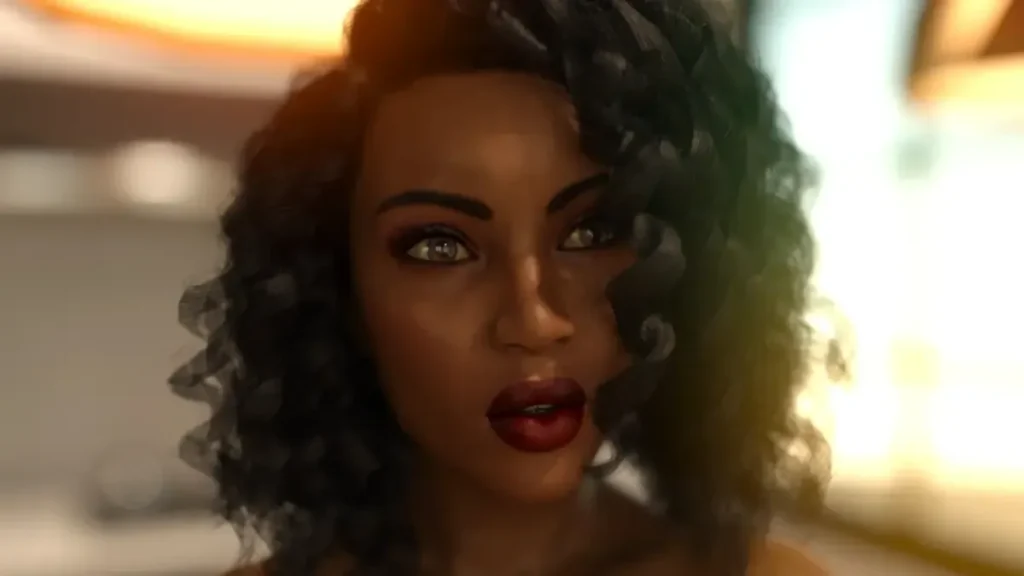



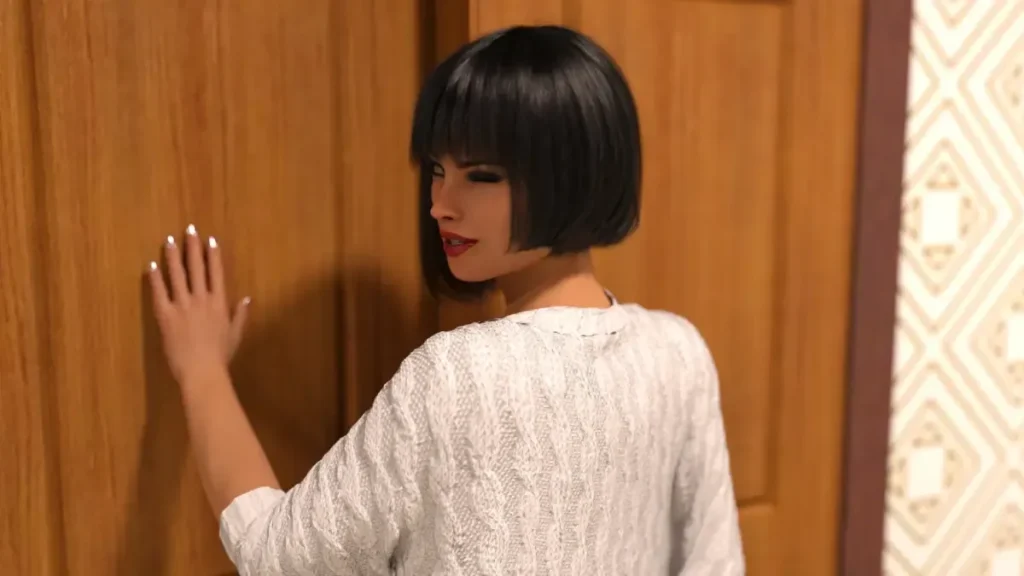

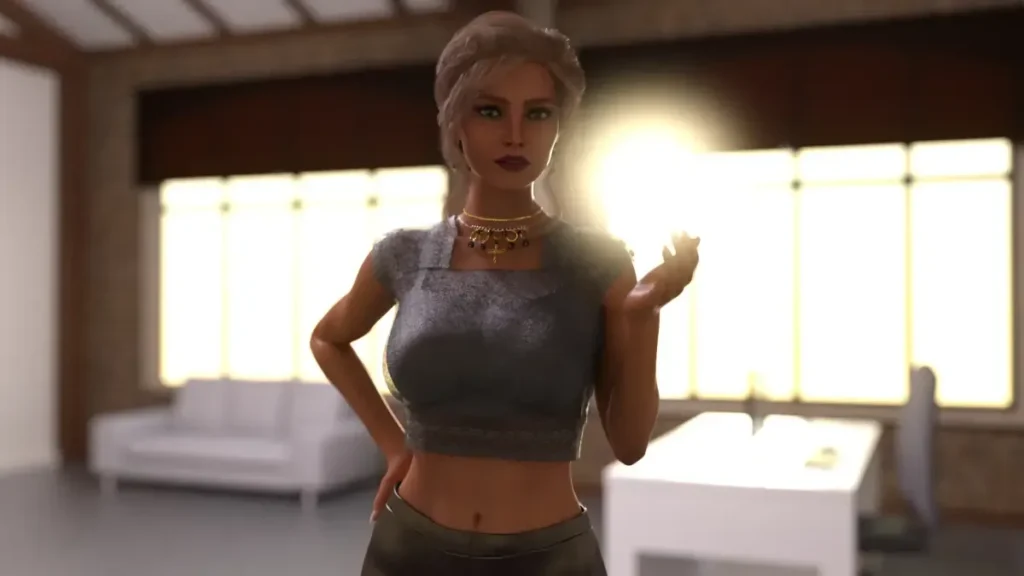






Shut Up and Dance review
Master every choice, unlock all scenes, and navigate the branching storyline
Shut Up and Dance is an interactive visual novel that challenges players to navigate complex moral choices and relationship dynamics. This game stands out for its branching narrative system where every decision impacts character relationships, unlocks unique scenes, and determines which storylines become available. Whether you’re a newcomer exploring the game for the first time or an experienced player seeking to unlock all content, understanding the mechanics and decision trees is essential. This comprehensive guide covers everything you need to know about character interactions, scene progression, and achieving 100% completion.
Game Mechanics and Core Systems
Ever felt that sinking feeling when a game tells you your choice matters, only to discover it’s all a clever illusion? 🤔 I have. Many visual novels promise branching paths, but their forks often lead to the same clearing. That’s why diving into Shut Up and Dance was such a revelation. Its game mechanics aren’t just for show; they are the very engine of your unique story. Every dialogue selection, every action, sends tangible ripples through the narrative pond, permanently altering who trusts you and what doors remain open (or slam shut forever). This chapter is your blueprint to that engine. We’re going to peel back the layers of its branching narrative choices, demystify the crucial character relationship points, and map out the path to a complete scene unlocking guide. Consider this your essential visual novel walkthrough to mastering the system itself. 🧠
Understanding the Branching Narrative Structure
At its heart, Shut Up and Dance is a masterclass in interactive storytelling. Unlike a book with a single plot, imagine a tree. Not a sapling, but a great, sprawling oak with dozens of major branches, each splitting into hundreds of smaller twigs. 🌳 That’s the branching narrative structure here. Your journey from a hesitant newcomer at the dance studio to… well, wherever you end up… is built on a foundation of meaningful decisions.
The magic—and the challenge—lies in the permanence and interconnectivity of these choices. Early in my first playthrough, I chose to comfort Sarah after a tough practice instead of celebrating with Megan. It seemed like a small, kind decision. Little did I know, that single moment didn’t just boost my rapport with Sarah; it quietly closed off an entire subplot with Megan that involved a secret late-night rehearsal. The game doesn’t pause to announce “PATH LOCKED.” It simply moves forward, letting the consequences of your branching narrative choices unfold organically, sometimes hours later.
This structure creates vastly different storylines. A playthrough where you focus on building trust with Emma, the disciplined captain, will look nothing like a path where you ally with the more rebellious members of the crew. You might uncover a storyline about competitive sabotage, a heartfelt arc about overcoming personal anxiety, or a complex narrative about artistic integrity. The game’s true length isn’t measured in hours for one playthrough, but in the dozens of hours across many, each revealing new facets of the characters and the central mystery of the studio. To truly see everything, you must embrace the rewind and replay. It’s less about finding the “right” path and more about exploring the fascinating web of all possible paths. 🔄
Character Relationship Points and Progression
If the branching narrative is the tree, then character relationship points are the sap flowing through it—the invisible lifeblood that determines which branches grow and which wither. This isn’t a simple “like/dislike” meter. It’s a nuanced system tracking trust, respect, affection, and even rivalry with each main character like Megan, Sarah, Emma, and others.
Every interaction is an opportunity. Choosing a dialogue option that aligns with a character’s personality or current struggle will quietly earn you points. For example, agreeing with Emma’s strict focus on technique shows her you’re serious, while sharing a joke with Sarah about the stern instructor proves you’re on her wavelength. But be warned: these points aren’t just additive. A choice that endears you to one character may actively cost you points with another, especially if they have conflicting personalities or goals. I learned this the hard way trying to play both sides in an argument between Megan and Sarah, succeeding only in making both of them doubt my sincerity.
The system is hidden for a reason—it makes the relationships feel real. You’re not gaming a visible meter; you’re learning who these characters are and responding authentically. Your total accumulation of character relationship points with an individual unlocks tiers of interaction. Reach a certain threshold with Megan, and she might confide in you about her family pressures. Fail to build enough rapport with Emma, and she’ll never ask for your help with choreography, locking you out of those intimate, behind-the-scenes moments.
To help you navigate, here’s a breakdown of how key early-game choices typically affect these hidden metrics:
| Scenario / Choice | Megan | Sarah | Emma | Effect Summary |
|---|---|---|---|---|
| First Practice: Comment on the new routine. | + | – | ++ | Praises technique, which Emma loves but Sarah finds boring. |
| Cafeteria Lunch: Who to sit with? | ++ (if chosen) | ++ (if chosen) | – (if either chosen) | Emma sees it as cliquey; bonding with your chosen friend. |
| Sarah’s Failed Move: Offer help or get instructor? | + | +++ | – | Helping directly builds huge trust with Sarah, but Emma prefers official protocol. |
| Megan’s Secret Invitation: Accept or decline. | +++ | — | N/A | Critical juncture. Accepting opens Megan’s path but betrays Sarah’s plans. |
| Emma’s Criticism: Defend a teammate or agree. | + (if defended) | + (if defended) | — (if defended) / ++ (if agreed) | A major loyalty test that sharply defines your alignment. |
Remember, this table is a guide, not a gospel. Part of the joy is in the discovery! 🕵️♀️ The game mechanics surrounding these points are designed to make each relationship feel earned and consequential, directly fueling the branching narrative choices available to you.
Scene Unlocking and Gallery Management
So, you’ve made your choices, lived with the consequences, and seen an ending. The credits roll. But your scene unlocking guide journey is just beginning. Shut Up and Dance features a comprehensive Gallery, a treasure trove of every video, image, and special moment you’ve encountered. More importantly, it blatantly shows you what you’ve missed—those tantalizing locked tiles are the game’s ultimate challenge. 🏆
The gallery completion system is your best friend and your map. It’s organized by character and story chapter. A locked scene isn’t just random; it’s a direct result of a specific decision path you didn’t take. For instance, to unlock the poignant “Rooftop Confession” scene with Sarah, you need to have achieved a high enough relationship score with her and made the choice to skip the mid-season party. It’s a specific combination of affinity and action.
Here’s my practical, actionable advice for a systematic scene unlocking guide. Don’t try to see everything in one chaotic run. Instead, target completions:
- Character-Focused Playthroughs: Dedicate entire runs to a single character. Max out your points with them, always choose options that favor them, and see where that exclusive path leads. This is the most reliable way to unlock their private scenes.
- The Divergence Point Save: When you hit a major story decision (like “Investigate the office” vs. “Confront the team”), create a manual save. Name it clearly (e.g., “Ch3 – Investigation Branch”). You can then reload this point to explore the other major fork without replaying the entire early game.
- Galaxy Brain Opposites Run: Once you’ve seen your natural story, do a run where you make every choice opposite to your instincts. Be rebellious if you were obedient, aloof if you were kind. You’ll be shocked at how many branching narrative choices lead to entirely new minor scenes and dialogue trees you never imagined.
The ultimate goal of how to unlock all scenes is a marathon, not a sprint. The Gallery’s percentage counter is your score. Watching it climb from 40% to 100% is one of the most satisfying experiences in the game, a testament to your understanding of its deep, reactive game mechanics. It proves you haven’t just played a story; you’ve explored a world of possibilities.
Pro Tip: The Gallery often gives cryptic hints for locked scenes. “Scene unlocked when trust is broken and rebuilt” or “Witnessed only by the moonlight.” Use these as puzzles! They often point to very specific, rare sequences of choices.
Frequently Asked Questions about Scene Unlocking
-
Q: I have max points with Megan, but I’m still missing her final scene. What gives?
A: Character relationship points are usually a requirement, but not the only trigger. You may also need to have made specific plot choices earlier, like finding a hidden item or learning a secret from another character. Retrace your steps in a new playthrough and try altering a major plot decision while keeping her points high. -
Q: How do I trigger the “Studio After Hours” group scene?
A: This is a complex unlock! It requires medium-to-high rapport with at least three main characters and the specific choice to “Suggest extra practice” after the second competition. It’s a great example of a scene that needs broad, not deep, relationship investment. -
Q: Does the “bad” ending lock me out of content?
A: Not at all! In fact, some of the most powerful and revealing scenes are only accessible on paths that lead to confrontational or tragic endings. Never avoid a “bad” choice in pursuit of completion—it’s often the key to a major locked tile in your scene unlocking guide.
Mastering the Shut Up and Dance game mechanics is the key to transforming from a passive player into the author of your own dance saga. By understanding the fragile ecosystem of character relationship points and strategically navigating the branching narrative choices, you hold the power to methodically execute the perfect visual novel walkthrough. The gallery completion system awaits, a blank canvas slowly filled with the proof of your journeys. Now that you know how the machine works, you’re ready to step back into the studio and dance through every story it has to tell. 💃🕺
Shut Up and Dance offers a rich interactive experience where player agency directly shapes the narrative outcome. By understanding the branching mechanics, relationship systems, and dialogue consequences, you can strategically navigate the game to unlock all available content and experience every storyline variation. Whether you’re pursuing specific character routes or aiming for complete gallery coverage, the key is recognizing how early decisions cascade into later opportunities and limitations. Take your time exploring different dialogue options, pay attention to relationship point changes, and don’t hesitate to replay sections to discover alternative paths. The game rewards careful attention to character motivations and thoughtful decision-making, making each playthrough a unique experience that reveals new layers of the narrative.