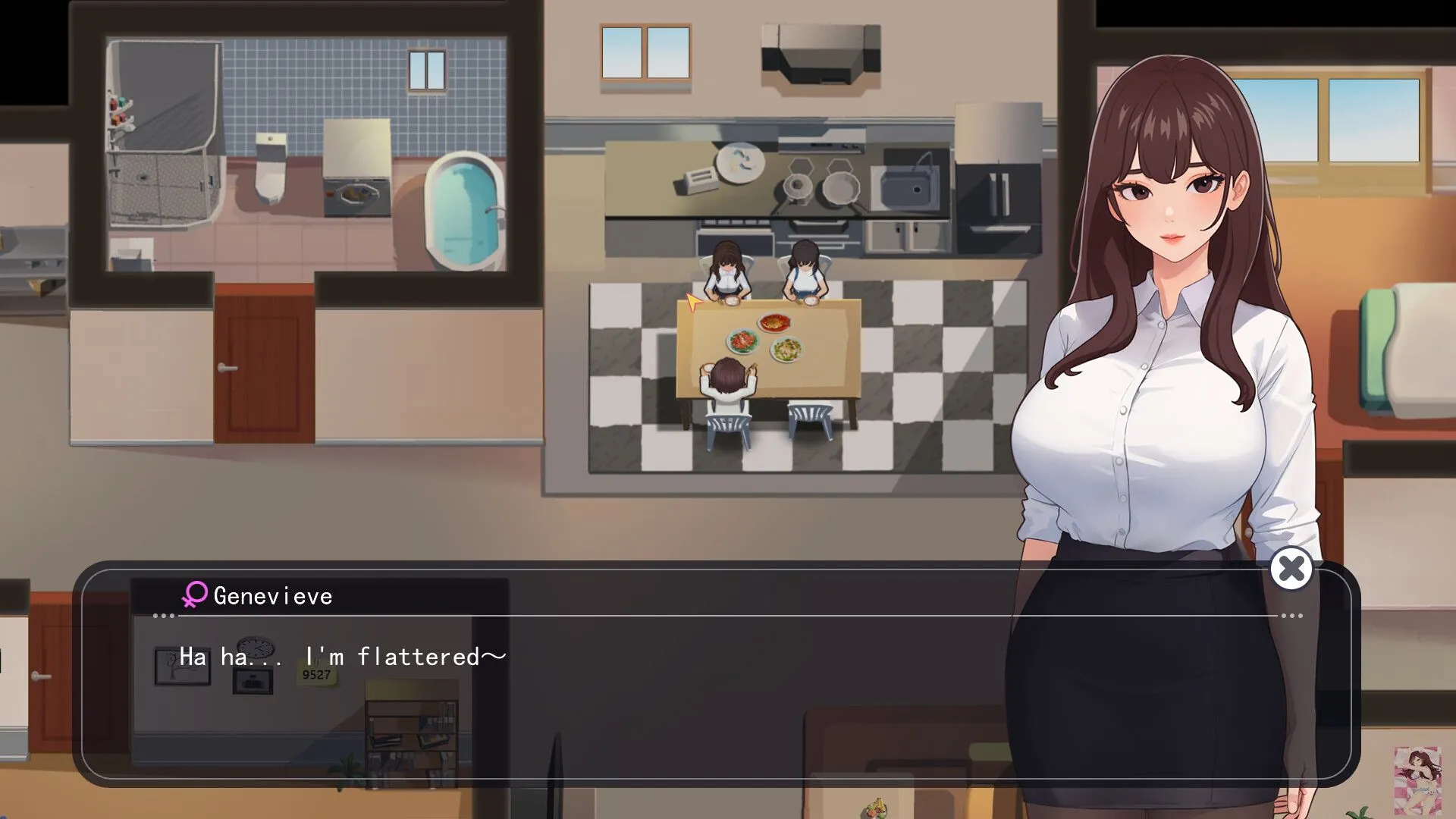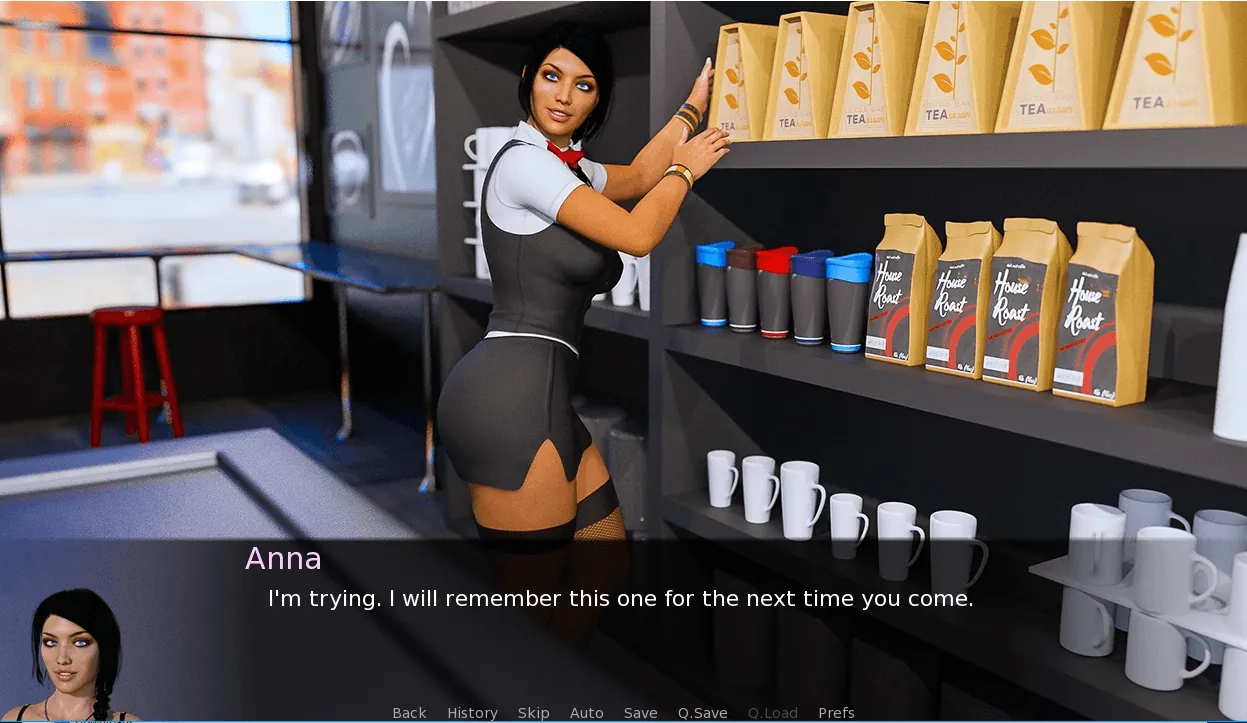
Tales of Unity
Play Tales of Unity
Tales of Unity Screenshots

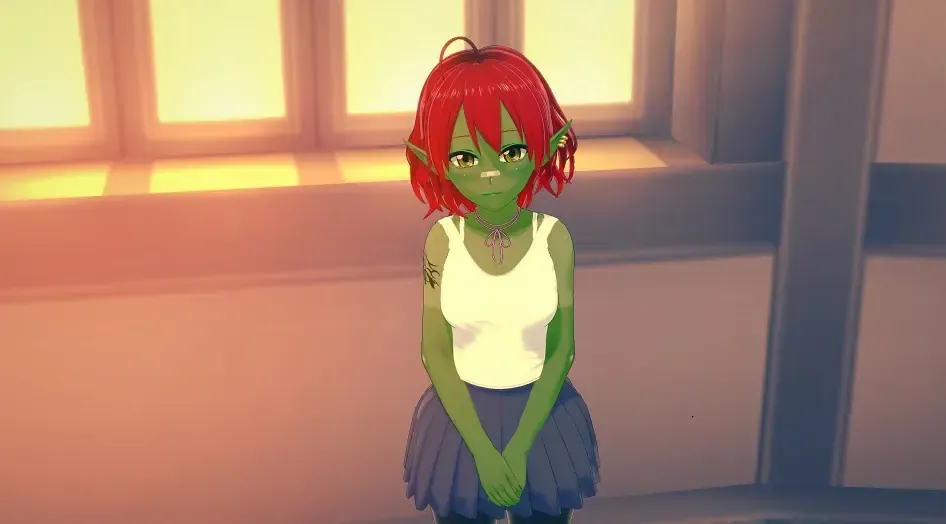
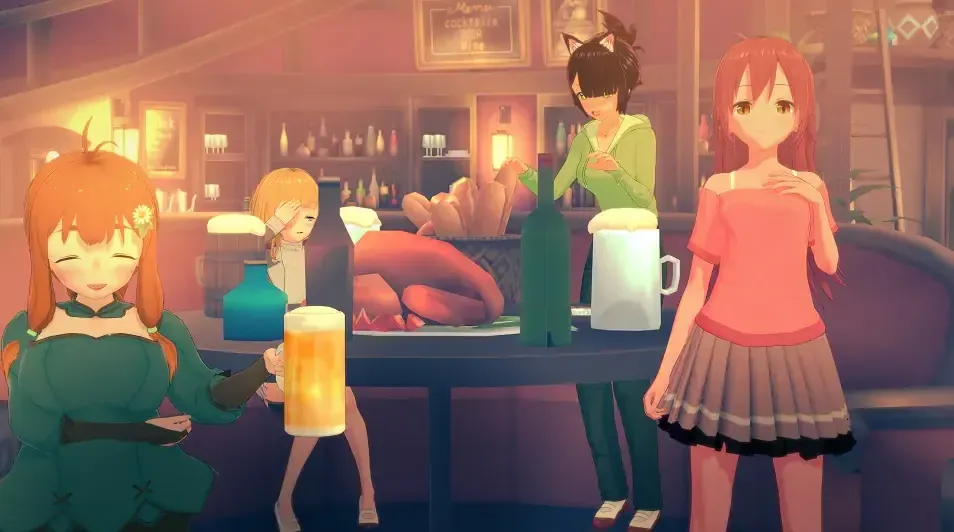
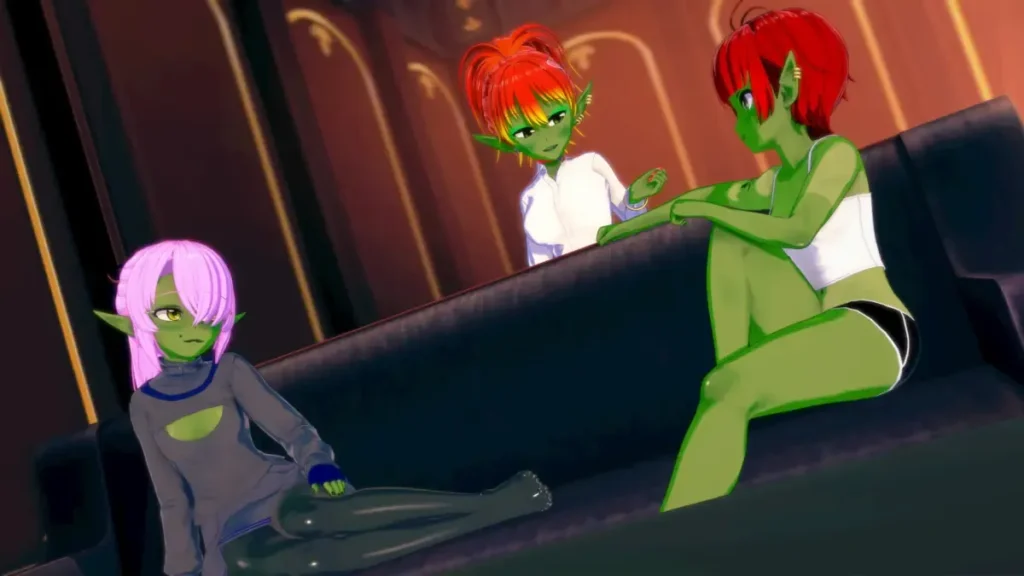
Tales of Unity review
Exploring storytelling excellence in interactive fiction and character-driven gameplay
Tales of Unity stands as a remarkable example of how interactive fiction can deliver compelling narratives and meaningful character interactions. This narrative-driven experience demonstrates that games focused on storytelling and character development can achieve critical acclaim and commercial success. Whether you’re interested in understanding the game’s narrative structure, character relationships, or its impact on the interactive fiction community, this guide explores what makes Tales of Unity a masterpiece of interactive storytelling. Discover how this title challenges conventional gaming narratives and creates immersive worlds through dialogue, choice, and character progression.
Understanding Tales of Unity’s Narrative Excellence
Ever had that moment in a game where you make a big, dramatic choice, only to realize it changes absolutely nothing? 😤 You pick the “angry” dialogue option, and the character just shrugs. You choose to save one person over another, and the story railroads you to the same conclusion. It can feel hollow, like your presence as a player is just an illusion.
That’s why playing Tales of Unity felt like a revelation. I remember my first playthrough, agonizing over a seemingly minor decision: whether to console a companion immediately after a failure or give them space to process. In most games, this would be flavor text. In Tales of Unity, it became the foundation of an entire story branch. That companion, depending on my choice, either became my most loyal confidant or a distant, wary ally for the rest of the journey. That’s the power of its interactive fiction storytelling—every choice has weight, texture, and consequence.
This chapter is all about pulling back the curtain on that magic. We’re diving deep into what makes the Tales of Unity narrative not just good, but a benchmark for the genre. We’ll explore the characters you’ll fall in love with (or infuriate), the branching paths that make each playthrough uniquely yours, and the brilliant mechanics that tie it all together. Get ready to see why this game is more than just a visual novel—it’s a masterclass in player-driven emotion. 🎭
What Makes the Storytelling Stand Out
At its heart, the Tales of Unity narrative excels because it understands a fundamental truth: in great stories, the how is just as important as the what. Sure, the central plot about mending a fractured world is compelling, but the genius lies in its delivery. The game’s pacing is a slow, deliberate burn, trusting you to invest in quiet moments of character interaction before the epic fireworks begin. This isn’t a story that info-dumps its lore; it lets you discover the world’s history and conflicts through natural conversations, environmental details, and the personal histories of the Tales of Unity characters.
The writing itself is razor-sharp. Dialogue never feels expositional or clunky. Each character has a distinct voice—from the sarcastic, defensive armor-smith to the idealistic, poetry-quoting healer. You don’t just learn about them; you learn from them, through their unique perspectives on the events unfolding around you. This creates an incredible emotional resonance. You’re not watching relationships develop; you’re actively participating in building them, brick by emotional brick. The game’s balance of multiple character storylines is a technical marvel, ensuring no one feels sidelined. Their personal arcs weave in and out of the main plot, often affecting it in surprising ways, which makes the world feel alive and interconnected.
“Tales of Unity doesn’t just tell a story; it constructs a fragile, beautiful mosaic of human connections and trusts the player to hold it. It represents a leap forward for visual novel storytelling, proving that player agency and authored narrative depth are not mutually exclusive, but can be beautifully, painfully intertwined.”
This praise hits the nail on the head. The game’s excellence comes from its commitment to interactive fiction storytelling where your agency is real. The plot reveals are timed perfectly with your growing understanding of and attachment to the characters. A major twist about the world’s magic system lands with devastating force not because it’s shocking, but because you’ve just spent hours understanding what that magic means to the companions standing beside you. The story makes you care, and then it has the courage to challenge what you care about. 😢
Character Development and Relationship Mechanics
If the plot is the skeleton of Tales of Unity, then its characters are the heart, soul, and nervous system. This is where the concept of character-driven gameplay truly comes to life. You don’t “level up” relationships through simple gift-giving or repeating agreeable dialogue options. Instead, the game employs a sophisticated, often invisible web of character relationship mechanics that track values like Trust, Respect, Understanding, and even Conflict.
Each major character has core beliefs and personal traumas. Your choices—in main story beats, side conversations, and even silent actions—either align with or challenge these beliefs. For example, the character Kaelen, a former soldier haunted by guilt, values decisive action and self-sacrifice. Agreeing with his pragmatic (if ruthless) plans might raise Respect, but consistently pushing him to talk about his past and choose forgiveness can slowly build a deeper Understanding. These aren’t just numbers on a screen; they fundamentally change how he interacts with you, what stories he shares, and what options are available to you in crises.
The Tales of Unity characters are designed with breathtaking depth. Let’s look at a few key examples:
| Character | Core Drive | Key Relationship Metric | Impact on Story |
|---|---|---|---|
| Elara (The Healer) | To atone for a past failure she could not prevent. | Empathy vs. Pragmatism | Determines her ultimate fate: whether she learns to forgive herself or is consumed by her need to save everyone. |
| Finn (The Scholar) | To uncover objective truth, regardless of comfort. | Honesty vs. Secrecy | Influces what historical secrets are revealed and whether he becomes a trusted archivist or a dangerous radical. |
| Rook (The Guardian) | To protect the group’s unity at any personal cost. | Loyalty vs. Independence | Affects group cohesion during arguments and can lead to him either finding his own voice or sacrificing his well-being for the team. |
😊 This system creates organic, evolving relationships. A high Trust with Elara might lead her to privately confide a vulnerability that gives you a unique story option hours later. A high Conflict with Rook might unlock heated, emotionally charged dialogue trees that actually lead to a stronger bond if navigated correctly, rather than simply locking you out of content. It mirrors real human relationships—sometimes friction leads to growth.
The emotional investment is built through thousands of these tiny moments. You remember the time you sat with a character in silence because words weren’t needed, or the joke you shared that became an internal callback later. The character relationship mechanics ensure these moments aren’t just decorative; they are the very fabric of your personal narrative within the game.
Interactive Choices and Branching Narratives
This is where all the systems converge into pure magic: the branching narrative choices. Tales of Unity moves far beyond the binary “good vs. evil” or “romance A vs. romance B” branching seen in many games. Its narrative structure is more like a growing tree with countless limbs, where a choice in Chapter 2 might subtly alter a conversation in Chapter 4, which then completely opens up a new path in Chapter 7. ✨
The game masterfully uses interactive fiction storytelling principles to make you feel the weight of every decision. Choices are rarely clear-cut. They are often between two valid philosophies, two loyalties, or two forms of protection. Do you reveal a painful truth to spare someone future hurt, or withhold it to protect their present peace? There is rarely a “paragon” or “renegade” score to optimize for; there is only your role-playing conscience and your connection to the characters.
Let’s walk through a specific narrative choice example. Midway through the game, your group discovers a faction stealing magical resources. You have evidence implicating the father of one of your companions, a character who is deeply proud of her family’s honor.
- Choice A (Confront Publicly): You present the evidence to the full council immediately, seeking justice. This maximizes short-term political gains and pleases characters who value transparency.
- Choice B (Confront Privately): You bring the evidence first to your companion, allowing her family to respond before a scandal erupts. This prioritizes personal loyalty and mercy.
This isn’t just a one-scene difference. If you choose B:
* Your companion’s Trust and Loyalty metrics skyrocket. She becomes your unwavering defender.
* Her father, shamed but grateful, becomes a secret informant later, giving you access to a unique mission and storyline about redemption.
* However, other party members who value absolute justice see this as favoritism. Their Respect for your leadership may drop, making them question your decisions in a future crisis, potentially leading to them disobeying a critical order.
If you choose A:
* You gain immediate credibility with the ruling council, unlocking new political avenues and resources.
* Your companion feels betrayed and her relationship path shifts to one of cold professionalism or outright hostility. Her personal questline may end abruptly.
* The father’s faction is dismantled, preventing a later conflict but also erasing the unique “redemption” storyline.
See the ripple effect? 🎯 This is branching narrative choices at their finest. The game constantly asks, “What kind of leader are you? What kind of friend?” Your answers sculpt not just the ending, but the entire journey there. It enables multiple playthroughs with genuinely different outcomes, not just a different final cutscene. You might play once as a pragmatic unifier, another time as a compassionate protector, and a third as a ruthless truth-seeker—and each feels like a wholly distinct story.
The visual novel storytelling framework is the perfect canvas for this complexity. By focusing on dialogue, character expression, and thoughtful choice architecture, Tales of Unity delivers a density of narrative possibility that few other genres can match. Your agency is the primary tool for shaping narrative outcomes, making your emotional connection to the story feel earned, intimate, and profoundly personal.
This commitment to deep, meaningful interactive fiction storytelling is why Tales of Unity stands as a landmark. It demonstrates that the most powerful stories aren’t just those we are told, but those we actively choose to live and breathe alongside the characters we grow to love. It’s an experience that stays with you, long after the final choice is made.
Tales of Unity represents a significant achievement in interactive fiction, demonstrating that games centered on narrative depth and character relationships can captivate audiences and earn critical recognition. The game’s masterful storytelling, complex character development systems, and meaningful player choices create an engaging experience that resonates with players seeking emotionally rich narratives. By prioritizing character interactions and branching storylines, Tales of Unity proves that interactive fiction can deliver experiences as compelling as traditional media while offering unique advantages through player agency. For those interested in narrative-driven games, character-focused experiences, or the evolution of interactive storytelling, Tales of Unity offers valuable insights into how games can prioritize emotional engagement and narrative complexity. Explore this title to experience how interactive fiction continues to push creative boundaries and establish new standards for story-driven gaming.