
To Be A King – Volume 1 Screenshots

















To Be A King – Volume 1 review
Master Roman Intrigue, Harem Building, and Power Plays in This Adult Visual Novel
Ever dreamed of stepping into the sandals of a Roman emperor, juggling political schemes, empire expansion, and steamy harem dynamics? That’s the thrill of To Be A King – Volume 1, an adult visual novel that hooked me from the first scene. I remember diving in late one night, completely lost in the intricate choices that shaped my kingdom and romances. This game blends deep strategy with intimate encounters, letting you rise from obscurity to absolute ruler. Whether you’re maneuvering alliances, sparking wars, or nurturing relationships without jealousy flares, it’s a sandbox of power and passion. Stick around as I break down how to dominate in To Be A King Volume 1—your ultimate playbook starts here.
How to Rise to Power in To Be A King Volume 1?
My first attempt at leading Rome in To Be A King Volume 1 ended in a spectacular, fiery mess before I’d even properly settled into the throne. 🫣 I’d just figured out the basics of Roman empire management, and feeling confident, I accepted a lavish gift and a pledge of friendship from a neighboring faction. It seemed like a smart move! More friends, less early pressure, right? Wrong. I’d unknowingly walked straight into a trap. That “ally” was a pariah state, hated by everyone else. Within a few in-game months, my new friendship had poisoned my reputation, closed off diplomatic avenues, and left me isolated. I learned the hard way that in this game, every handshake can hide a dagger. This is the core of the political intrigues To Be A King is famous for.
That painful lesson taught me more about how to start To Be A King Volume 1 than any tutorial ever could. This isn’t just a game about building legions; it’s a deep, reactive narrative where your choices in conversation and council meetings shape your empire’s destiny. Your journey from a fledgling ruler to a true Emperor is paved with cunning decisions, shrewd resource control, and understanding the delicate dance between sandbox vs linear To Be A King gameplay styles. Let me guide you through your first steps to power.
Navigating Early Political Intrigues and Alliances
The opening chapters of To Be A King Volume 1 gameplay are a masterclass in political suspense. You’re not just managing resources; you’re managing perceptions, loyalties, and secret agendas. Every character you meet—from scheming senators to foreign ambassadors—has their own goals. Your first major task is to navigate this web without getting caught in it.
I discovered that information is your most valuable currency. Always choose dialogue options that gather intelligence. Ask “What do you know about…?” or “What are their weaknesses?” before making any promises. Early on, you’ll be presented with a critical choice that defines your early reign: seeking a powerful alliance or asserting independence through calculated aggression. Here’s my personal take: for a first playthrough, avoid long-term binding alliances for the first year. Instead, focus on non-aggression pacts and trade agreements. They offer benefits without the entanglements. This approach gives you the breathing room to understand the complex political intrigues To Be A King weaves without being pulled into a war you didn’t start.
A key mechanic is the “Favor” system. Doing tasks for other factions earns you Favors, which are like political chits you can cash in later for crucial support, military access, or silencing an opponent. Never underestimate a small Favor! In one playthrough, I used a single Favor from a minor chieftain to block a senate motion against me—it saved my rule.
When it comes to the major strategic decision of peace or war, your choice fundamentally alters your story branch. Here’s a breakdown of what each path entails:
| Path | Pros | Cons | Long-term Impact |
|---|---|---|---|
| Alliance-First Path | 🔒 Security, shared intelligence, trade bonuses. Great for learning the game’s economy. | 🤝 You’re tied to your ally’s enemies and conflicts. Can limit expansion options. | Leads to narrative branches focused on diplomatic marriages, council power struggles, and managing a coalition. |
| Independent/War Path | ⚔️ Total freedom of action, full war spoils, fear-based respect from others. | 🧭 High initial risk, strains resources, can lead to multi-front wars if not careful. | Unlocks storylines of military glory, conquered territories, and managing a restive, subjugated population. |
This choice is at the heart of any solid empire alliances guide for this game. There’s no “correct” answer, which is what makes the To Be A King Volume 1 gameplay so replayable.
Empire Management Basics for New Rulers
Once you’ve steadied the political ship, you must turn your gaze inward. The Roman empire management here is beautifully balanced between impactful simplicity and strategic depth. You’re not micromanaging every plough in a field, but you are deciding where your civilization’s heart beats strongest.
The game cleverly blends sandbox vs linear To Be A King elements. You have a core, compelling story (the linear part) that progresses through key events. However, how you prepare for and react to those events is pure sandbox. Need more gold to bribe a senator? That’s on you. You decide whether to build more mines, raise taxes (risking discontent), or plunder a weaker neighbor. This is where how to start To Be A King Volume 1 successfully really clicks: focus on balance.
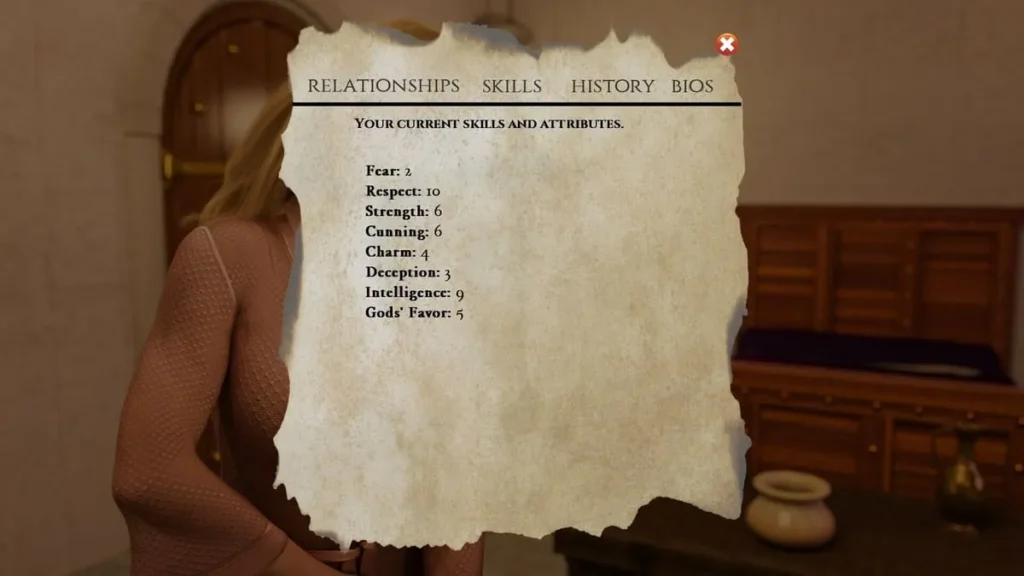
Your empire runs on a few key resources: Gold (for everything), Grain (to feed people and armies), Influence (your personal political power), and Morale (of your people and troops). My biggest early mistake was pouring all my gold into the military while my grain stores dwindled. A subsequent drought led to famine, which crushed morale and sparked rebellions. A stable foundation is key.
Pro Tip: One of your first building projects should always be Granaries in your fertile provinces. Food security prevents a cascade of disasters and lets you weather early storms.
To give you a quick reference, here are the top 5 early game choices I make in every playthrough now:
- Invest in Roads First: 🛣️ Boosts tax collection and lets your armies move faster. Essential for internal control and rapid response.
- Appoint a Spy Master Early: 🕵️♂️ Use your first 50 Influence to get eyes on your rivals. Knowing an enemy’s army movement is a game-changer.
- Choose the “Census” Edict: 📜 It seems boring, but it gives a permanent, small boost to tax income from your core province. Slow and steady wins the race.
- Be Stingy with Legion Promises: ⚔️ When a general asks for a triumph or more troops, often say “Not yet.” Keeping the military hungry for glory makes them easier to control early on.
- Always Attend the Senate Debate: 🏛️ Even if you don’t speak, being present builds Influence and reveals character alliances and conflicts.
Avoiding Common Pitfalls in Your First Reign
Looking back on my many rises (and falls), I see clear patterns where new rulers stumble. The immersive Roman empire management systems are forgiving enough to learn from, but punishing enough to make those lessons stick. 🏺 Here’s how to sidestep the most common traps.
First, do not overextend in early wars. It’s tempting to crush a weak neighbor and add their land to your map. But conquest isn’t just about winning the battle; it’s about holding the territory. Each new province requires garrison troops (tying down your legions), consumes administrative attention, and if the people are unhappy, it becomes a resource drain. I once expanded so quickly that my empire became a thin, vulnerable shell—a single rebellion shattered it. Consolidate what you have before reaching for more.
Second, never ignore your court. The political intrigues To Be A King presents aren’t just external. Your own palace is a nest of ambition. Failing to manage relationships with your advisors, generals, and family members can lead to coups, assassination attempts, or critical tasks being sabotaged. Make time for “private audience” events. A small gift, a word of praise, or granting a minor request can secure a powerful ally within your own walls.
Finally, adapt your leadership style. The game responds to your consistent behavior. If you always choose the ruthless, militaristic option, you’ll attract certain types of followers and repel others, locking you into specific story branches. For a balanced first run, try to mix pragmatism with occasional shows of mercy or wisdom. This keeps more narrative doors open and gives you a truer taste of the To Be A King Volume 1 gameplay scope.
The genius of the Roman setting is how it makes all these mechanics feel organic. Deciding between funding gladiatorial games (boosting morale) or aqueducts (long-term growth) isn’t just a menu choice; it feels like you’re wrestling with the very same dilemmas a real Roman ruler faced. This thematic unity is what makes the management and intrigue so satisfying.
Master these foundations of power—the shrewd diplomacy, the balanced economy, and the mindful rule—and you’ll find your throne secure. And a secure throne allows you to explore the game’s other legendary pillars of power, like the art of crafting your personal dynasty and the delicate, enticing politics of the heart… but that’s a guide for another time. 😉 Your empire awaits, Imperator.
Diving into To Be A King – Volume 1 transformed my gaming nights into epic tales of conquest and connection—I went from novice ruler to harem master across countless playthroughs. You’ve got the tools now: master political webs, build your empire wisely, and nurture those key relationships without sparking chaos. My biggest takeaway? Every choice echoes, so experiment boldly. Ready to claim your throne? Fire up the game, make those power moves, and share your wildest reign stories in the comments. Your kingdom awaits—what will you conquer first?