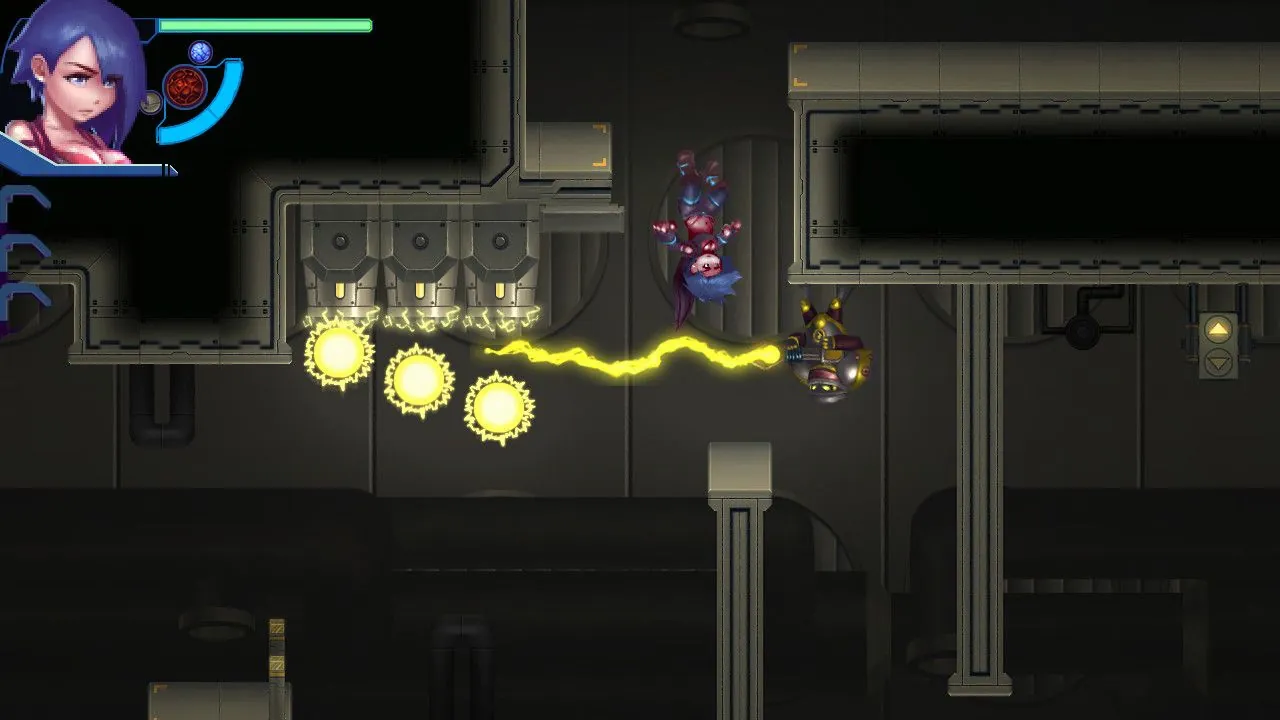
Time Loop Hunter
Play Time Loop Hunter
Time Loop Hunter Screenshots







Time Loop Hunter review
Master the mechanics, strategies, and story of this unique time-loop adventure
Time Loop Hunter stands out as a distinctive title that combines time-loop mechanics with engaging gameplay and narrative depth. Whether you’re a newcomer curious about what makes this game special or an experienced player looking to optimize your approach, this guide covers everything you need to know. From understanding the core mechanics to mastering advanced strategies, we’ll explore what makes Time Loop Hunter a compelling experience. Discover how the time-loop system works, learn effective tactics for progression, and understand the story elements that drive the narrative forward.
Understanding Time Loop Hunter Mechanics and Gameplay
Ever feel like you’re stuck in a rut, doing the same thing over and over? Welcome to Time Loop Hunter, where that’s not a bug—it’s the entire, brilliant point. 🕰️ This isn’t just another action game with a gimmick; it’s a deep, strategic puzzle where your greatest weapon isn’t a sword or gun, but knowledge earned through painful, hilarious, and glorious repetition. My first dozen loops were a mess of panic, poor choices, and spectacular failures. But that’s the beauty of it. Each collapse of reality is a lesson. To truly master this world, you need to understand its foundational Time Loop Hunter gameplay mechanics. This guide will break down the loop, the grind, and the growth, transforming you from a confused time tourist into a master of the chronology.
How the Time Loop System Works in Time Loop Hunter
At its heart, the time loop system explained here is a genius engine of progression through failure. You play as a Hunter thrust into a catastrophic, repeating 24-hour cycle within a fractured city. Your mission is to stop an apocalyptic event, but you simply don’t have the power, gear, or intel to do it in one go. So, the loop resets. But crucially, you don’t.
Think of each loop as a live-fire training simulation where only specific things are retained. This creates a compelling risk-reward dynamic. Do you spend this loop gathering powerful, disposable gear to tackle a tough boss, or do you focus on unlocking a permanent new ability that will help in every future attempt? Getting this balance right is the core of the Time Loop Hunter progression guide.
So, what actually carries over? This is the most important question for any new player. Let’s break it down clearly:
| What PERSISTS Between Loops | What RESETS Each Loop |
|---|---|
| Echo Memory (Story Intel): All discovered documents, dialogue clues, enemy weaknesses, and narrative revelations. The game’s journal stays full. | Physical Inventory: All weapons, armor, consumables, and crafting materials found in the world. |
| Anima Essence (Currency): The purple-tinged currency earned from defeating enemies and completing milestones. This is used for permanent upgrades. | Loop-Specific Key Items: Keys, event-triggers, and quest objects needed for that specific cycle. |
| Unlocked Skills & Talents: Any skill point purchases from the three main trees (more on this later). These are yours forever. | Map Exploration & Shortcuts: While you remember where things are, locked doors re-lock and cleared areas repopulate with enemies. |
| Faction Reputation: Your standing with the three major city factions builds gradually across loops, opening new dialogue and vendor options. | Current Mission Objective State: Any active quest progress is wiped. You must restart multi-loop quest chains from their beginning, albeit with all prior knowledge. |
This system means your early loops are less about “winning” and more about banking knowledge and essence. I remember my fifth loop, where I finally mapped the patrol patterns of the dreaded Clockwork Sentinels in the Central District. That mental map was more valuable than any epic sword I lost at reset. It’s this elegant dance between permanent growth and temporary power that defines the Time Loop Hunter gameplay mechanics. You’re not just playing the game; you’re metabolizing it.
Core Gameplay Loop and Progression Structure
Alright, you understand the reset. Now, what do you actually do? The core gameplay loop in Time Loop Hunter is a satisfying blend of frenetic action and meticulous strategy. A typical loop breaks down into phases: Planning, Execution, and The Tally.
Planning (The “Meta” Game): 🧠 This happens before you even hit “New Loop.” You review your permanently unlocked skills and your stockpiled Anima Essence. You ask: What is my goal for this cycle? Is it to assassinate a specific lieutenant to weaken the final boss’s health pool permanently? Is it to grind enough essence to buy that crucial double-jump skill? Or is it a pure story loop to uncover a hidden faction secret? Setting a clear, achievable goal for each 24-hour window is the first step to success. Wandering aimlessly is the fastest way to frustration.
Execution (The Action): ⚔️ This is where you dive in. The Time Loop Hunter combat system is fast, fluid, and punishing. It demands precision dodges, well-timed parries, and smart use of your active skills. Enemies don’t just swing wildly; they have patterns you must learn across loops. Exploration is key—you’ll scale buildings, navigate toxic sewers, and hack into secure terminals, all while the in-game clock ticks down. You’ll gather temporary gear, which can dramatically alter your combat style for that loop. Finding a powerful rifle might encourage a ranged approach, while a legendary hammer turns you into a slow, devastating powerhouse.
The Tally (Progress Check): 📈 When the loop ends—whether by death, failure, or a rare successful reset—you assess your gains. How much Anima Essence did you bank? Did you unlock a new permanent skill or story beat? This is where you feel the progression, even in “failed” runs.
To help you hit the ground running, here’s a step-by-step beginner’s checklist for your first few loops. Trust me, learning this the hard way costs hours!
Your First Loop Survival Checklist
1. Don’t Fight Everything: Your starting gear is weak. Avoid large packs. Focus on learning enemy attack cues, not winning every fight. 🏃♂️
2. Grab the “Echo Sense” Skill First: In the utility skill tree, this lets you see interactable objects and clues through walls. It’s the single biggest exploration booster.
3. Talk to Everyone (Once): NPC dialogue is a primary source of persistent story intel. You only need to do this once per character across all loops.
4. Farm a Safe Zone: Find one area with predictable, manageable enemies and practice combat there. Grind just enough Anima Essence for your first permanent skill purchase.
5. Accept That You Will Die: The goal of Loop 1 is not victory. It’s to end the loop with more knowledge and essence than you started with. Period.
6. Experiment with Disposable Gear: Since weapons reset, try every type you find—you might discover a combat style you love for future permanent builds.
This structured approach to how to play Time Loop Hunter turns what seems like an overwhelming roguelike into a purposeful, strategic campaign. Every death has meaning. Every reset has potential.
Character Development and Skill Advancement
This is where your unique identity as a Hunter is forged. Time Loop Hunter character development is a marathon, not a sprint, spread across dozens of loops. Your power grows not from a single amazing drop, but from the slow, permanent accumulation of abilities and synergies.
The heart of this system is the triad of Time Loop Hunter skill trees. These are your permanent progression paths, each offering a distinct philosophy on tackling the apocalypse:
- The Arbiter Tree (Red): 🛡️ Focused on raw power, survivability, and melee dominance. This tree gives you more health, stronger armor, devastating close-quarters abilities, and skills that let you stagger larger enemies. Perfect for players who like to stand their ground and trade blows.
- The Specter Tree (Blue): 👻 Centered on agility, stealth, and precision. Here you’ll find skills for silent movement, critical hit damage, dodging, and using tools like smoke bombs and decoys. It’s the path for assassins and players who prefer to control the engagement.
- The Archivist Tree (Green): 📚 The tree of knowledge, technology, and support. This unlocks hacking minigames to disable security, abilities to craft temporary gadgets mid-loop, buffs to your healing items, and even skills that let you passively gain more Anima Essence from enemies.
The beauty is that you are not locked into one tree. You can mix and match to create a hybrid build that suits your playstyle. In my main save, I run a “Phantom Brute” build—I took the Specter’s enhanced dodge and critical strike, then dipped into the Arbiter tree for a health boost and a skill that makes my next attack after a dodge hit twice as hard. The synergies are incredibly rewarding to discover.
Beyond skill trees, your progression is also gated by Faction Reputation. As you help (or hinder) the three main factions across loops, they’ll grant you access to unique vendors selling specialized gear schematics (for temporary craftable items) and even exclusive skill nodes. This adds a rich layer of role-playing and long-term goal setting to your Time Loop Hunter progression guide.
Your approach to how to play Time Loop Hunter will evolve dramatically as these pieces come together. Early loops are about survival and essence farming. Mid-game loops are about executing targeted objectives with your growing toolkit. Late-game loops are about orchestrating complex, multi-step plans to dismantle the final threat with flawless efficiency. You transition from being a victim of time to its master, bending the very mechanic that once trapped you to your will. The loop is no longer your prison; it’s your proving ground. 🔄➡️👑
So dive in, embrace the reset, and start building your legacy—one repeated day at a time. The city is waiting for its Hunter.
Time Loop Hunter delivers a compelling blend of time-loop mechanics, engaging narrative, and strategic gameplay that rewards both careful planning and creative problem-solving. Whether you’re drawn to the intricate story elements, the challenge of optimizing your approach across multiple loops, or the satisfaction of mastering combat encounters, this game offers depth that extends well beyond a single playthrough. By understanding the core mechanics, investing time in character development, and applying the strategies outlined in this guide, you’ll unlock the full potential of your Time Loop Hunter experience. Take what you’ve learned here, jump into your next loop with confidence, and discover the unique rewards that await those who master this distinctive adventure.